Recruitment and Results Reporting of COVID-19 Randomized Clinical Trials
Registered in the First 100 Days of the Pandemic
Perrine Janiaud, et al
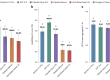
Overall, 30% of COVID-19 RCTs initiated in the first 100 days of the pandemic did not begin recruitment, and only 10% had results reported by mid-October, suggesting the possibility of substantial research waste
Introduction
The coronavirus disease 2019 (COVID-19) pandemic caused an unprecedented drive to launch clinical trials. We assessed the recruitment and results reporting of randomized clinical trials (RCTs) to treat or prevent COVID-19 registered within 100 days of the first case reported to the World Health Organization.
Methods
All RCTs registered in ClinicalTrials.gov and the World Health Organization International Clinical Trials
Registry Platform between January 1 and April 9, 2020, were included. These trials had been previously identified in a systematic assessment.
Between October 5 and 15, 2020, using contact information provided in the registries, we sent emails to all trial groups, requesting information on recruitment and enrollment status, reasons for trial termination or discontinuation, and any results reporting. We assessed whether trials recruited 75% or more of their target sample size, stopped before 75% recruitment, or were continuing to recruit (on schedule or delayed) but not yet 75% recruited. On October 19, we searched the Living Overview of Evidence platform2 for results posted as preprints, published in peer-reviewed journals, or reported in trial registries. The survey results
were used to complement the information from our search. Associations of trial characteristics location (ie, China vs elsewhere), planned sample size greater or less than the median (114 participants [interquartile range, 70-334 participants]), registered on or after the median registration date (March 15), and type of control group—with recruitment and results reporting were explored using logistic regressions. We used R version 3.6.2 (R Project for Statistical Computing). The P value threshold was <.05 in 2-tailed tests. Institutional review board approval and an informed consent waiver were not required for this study because the aggregated